
Sennheiser HD 480 PRO Review: Closed Back Headphones for Mixing
Apr 21, 2026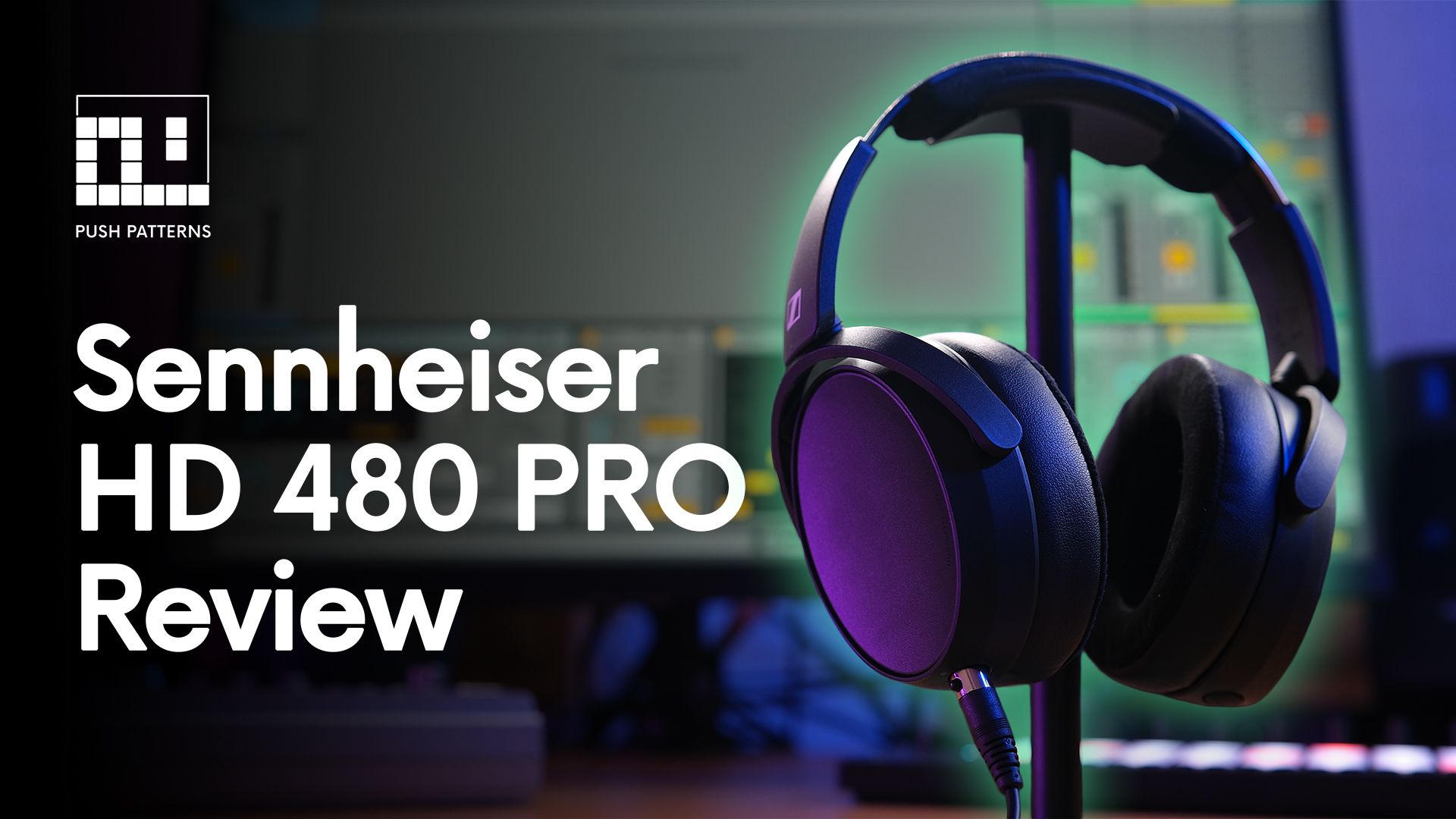
If you are looking for a Sennheiser HD 480 PRO review from a music production point of view, this is my real world take after using them for over a month across mixing, recording, YouTube work and everyday studio sessions.
The HD 480 PRO are closed back studio headphones, but Sennheiser are clearly aiming for something more open and balanced than the usual closed back sound. That is the big promise here. Isolation for recording and home studio work, without the boxed in sound that makes most closed back headphones hard to trust for mixing.
That is a big claim. So I tested them properly. Here is what I found.
Quick verdict: Are the Sennheiser HD 480 PRO worth it?
The Sennheiser HD 480 PRO are some of the best closed back headphones I have used for mixing and music production.
They do not feel like the usual closed back compromise where the low end gets boomy, and the low mids feel boxed in.
They are comfortable, detailed, and the mix translation is better than I expected.
I would still check important mixes on monitors or another reference, because that is just good practice. But if you need one serious pair of headphones for producing, tracking and mixing in a home studio, these make a lot of sense.
They are not cheap. But they do feel like proper studio headphones rather than another pair of headphones that just make everything sound exciting for 5 minutes.
Best for: producers, home studio owners, vocal recording, mixing in untreated rooms, Ableton Live users who need one serious pair of headphones.
Not ideal for: casual listening, gaming first buyers, anyone who just wants cheap headphones.
Main reason to buy: closed back isolation without the usual boomy, boxed in sound.
Check the current Sennheiser HD 480 PRO price at Thomann here: Sennheiser HD 480 PRO at Thomann
Build quality and comfort
The first thing you notice with the HD 480 PRO is how solid they feel.
They feel like proper long term studio tools, not something you are going to baby for a few months and then replace when the pads fall apart.
The parts are replaceable, which is exactly what you want from headphones you are going to use every day.
The ear pads are thick, soft and genuinely comfortable. Honestly, I want a pillow made out of this stuff.
They sit snugly around your ears without feeling like they are clamping your head. That matters more than people think, because headphones can sound amazing, but if you are desperate to take them off after 40 minutes, they are not really useful for serious work.
The headband padding is also soft, and I did not get that pressure feeling you sometimes get with cheaper closed back headphones.
There is no active noise cancelling, but the passive isolation is good. The ear cups block out a decent amount of background noise, which makes them much more practical if you are producing at home, recording vocals, tracking hardware, or working in a room that is not perfectly quiet.
Another nice detail is that both ear cups have a cable input. That means you can choose which side to plug into depending on where your audio interface sits on your desk. Small thing, but in a real studio setup, that kind of thing actually matters.
The travel case only comes with the HD 480 PRO Plus version, so that is worth knowing if you plan to move them around a lot.
Overall, the build feels solid, the comfort is excellent, and they feel like headphones you could actually work in for long sessions.
How do the Sennheiser HD 480 PRO sound?
This is always the hardest part of a headphone review, because I cannot exactly put them on your head. But I will say this.
These sound good. Really good.
And I say that with genuine surprise, because it is a bold claim to say you are going to get something close to an open back sound from a closed back design.
I tested them against other closed back headphones I own, and the first thing that stood out was the balance.
That usual closed back boominess in the low end? Not really there.
That boxy low mid sound you often get from closed back headphones? Also, not really there.
Everything feels more open and natural than I expected. You are not constantly fighting the headphones. You are not second guessing whether the bass is actually too loud or whether the headphones are just making it sound that way.
That is what I liked most. They sound detailed, but not harsh.
The top end gives you enough information to hear what is going on, but it does not feel sharp or tiring. The sibilance area around 2 to 5 kHz feels smooth, which means you can work for longer without your ears getting battered.
That is important if you are editing vocals, balancing synths, programming drums or working on a mix for a few hours.
You can also listen at lower volumes and still hear detail clearly. That is always a good sign. If headphones only sound impressive when they are loud, they are not always that useful for actual production work.
Sennheiser HD 480 PRO frequency response and sound balance
Sennheiser lists the HD 480 PRO with a wide frequency response, but the more important question is how that actually translates when you are working. Frequency response numbers only tell part of the story.
What stood out to me was not just that the low end was present. It was that the low end felt controlled.
A lot of closed back headphones give you more bass than you need, which can make you under mix the low end without realising it. You think the kick and bass are huge, then you play the track somewhere else, and suddenly it sounds thin.
I did not get that same feeling with the HD 480 PRO. The low end is there, but it does not feel hyped.
The low mids also feel cleaner than I expected from closed back headphones. That is the area where a lot of closed backs start to feel congested, especially when you are working with drums, bass, synths and vocals all fighting for space.
The top end gives you detail without becoming harsh.
For music production, that matters more than just looking at the spec sheet. You want headphones that help you make better decisions. Not headphones that make everything sound impressive, but then punish you later when you play the track somewhere else.
Why do the HD 480 PRO sound more open than most closed back headphones?
Sennheiser have done a couple of specific things to make these feel less like traditional closed back headphones.
The first is their vibration attenuation system. In simple terms, this is designed to reduce the reflective sound trapped inside the ear cup.
That trapped sound is one of the reasons closed back headphones often sound coloured. The sound bounces around inside the cup and affects what you hear. That is where you can get that boxed in feeling.
The second thing is the driver angle. On a lot of closed back headphones, the driver fires straight at your ear. On the HD 480 PRO, the driver is angled slightly, which makes the sound feel more natural. It is closer to the way sound reaches your ears from speakers in a room, rather than feeling like 2 tiny speakers strapped directly to the side of your head.
That was one of the first things I noticed. They do not feel as closed in as I expected.
There is more space, more depth, and a better sense of where things are sitting in the mix.
They still sound like headphones, obviously. But for closed back headphones, they are surprisingly open.
Are the Sennheiser HD 480 PRO good for music production?
Yes, I think the HD 480 PRO make a lot of sense for music production. Especially if you are producing in a home studio.
When you are making music, you are not just mixing. You are writing drums, programming synths, recording audio, editing takes, arranging sections, checking transitions, balancing rough levels and making loads of small decisions quickly.
That is where these headphones worked well for me. They give you enough detail to hear what is going on, but they do not feel tiring in longer sessions.
The closed back design also makes them more practical than open back headphones if you are recording, working around other people, or producing late at night.
If you are using Ableton Live, this is the kind of headphone that makes sense for the full workflow. Writing ideas. Editing audio. Recording vocals. Checking low end. Balancing a rough mix.
If you are still getting comfortable with Ableton Live, I have a full Ableton Live 12 course that walks through the production process in a structured way.
They are not just mixing headphones in the narrow sense. They feel more like a serious everyday studio headphone for producers.
Are the Sennheiser HD 480 PRO good for recording?
Yes, this is one of the strongest reasons to choose closed back headphones.
If you are recording vocals, synths, guitar, percussion or anything with a microphone, open back headphones can be a problem because of spill. The backing track leaks out. The mic picks it up. Then you are dealing with that bleed in the recording.
Closed back headphones help reduce that. The HD 480 PRO give you proper isolation without feeling like you are giving up too much sound quality.
That makes them useful if you want one pair of headphones that can handle both tracking and mixing.
For a lot of home studio producers, that is the real world use case. You might not want one pair of open backs for mixing and another pair of closed backs for recording. You might just want one serious pair that covers most situations.
That is where these make sense.
Are the Sennheiser HD 480 PRO good for mixing?
This is the big question. And yes, I think they are. But with one bit of context.
I would still check important mixes on monitors or another reference system. That is not a criticism of these headphones. That is just how mixing works. No single monitoring setup tells you everything.
But as closed back headphones for mixing, the HD 480 PRO are genuinely impressive. They avoid a lot of the usual problems I have with closed back headphones.
They do not feel overly hyped in the low end. They do not have that obvious boxy low mid thing. And they give you enough top end detail without making everything feel sharp.
For producers working in untreated rooms, shared spaces, small flats, bedrooms, or home studios, that is really useful. You might not have the perfect room. You might not be able to turn the monitors up whenever you want. You might need isolation.
In that situation, these are a strong option.
Sennheiser HD 480 PRO price
The Sennheiser HD 480 PRO sit around £339. The HD 480 PRO Plus version comes in at around £369 and includes the travel case.
So yes, they are not cheap. I know.
But the value starts to make more sense when you think about what they are trying to replace.
If you normally need open back headphones for mixing and closed back headphones for tracking, these get you closer to both jobs in one pair.
They are not literally 2 headphones in one. But they do give you the isolation of closed back headphones with a much more open and balanced sound than I expected.
That matters if you are building a home studio and trying to make smart choices with your money.
I would not call them budget headphones. But I would call them serious studio headphones. And compared with some high end studio headphones that cost a lot more, I think they hold up well.
Prices change, so check the current Thomann price before deciding between the HD 480 PRO and HD 480 PRO Plus: check the current price at Thomann
Sennheiser HD 480 PRO vs HD 480 PRO Plus: what is the difference?
The main difference is the travel case.
The HD 480 PRO Plus includes a hard travel case. The standard HD 480 PRO does not. The headphones themselves are the same.
So if you are mostly studio based and you do not need to carry them around regularly, the standard version is probably the better value.
If you travel a lot, work in different studios, or want to keep them protected in a bag, the Pro Plus version makes sense.
But in terms of sound, you are not getting a different headphone. You are paying for the extra case.
Are the Sennheiser HD 480 PRO good for gaming?
They will work for gaming, and the closed back design helps with isolation. But these are studio headphones first. There is no built in mic, no surround processing, no gaming software.
If gaming is your main use case, a dedicated gaming headset will make more sense. If you are buying these for music production and want them to handle the occasional gaming session, they will do the job fine. Just do not buy them as gaming headphones.
Who are the Sennheiser HD 480 PRO for?
I would recommend the HD 480 PRO if you are a producer working mainly in a home studio.
They make sense if you need closed back isolation but do not want the usual closed back sound.
They also make sense if you record vocals, synths, guitars or other instruments and need to reduce spill.
If you mix on headphones, they are a strong option, especially if you are also checking your work on monitors or other references.
I would also look at them if you want one serious pair of headphones that can cover writing, tracking and mixing.
I probably would not buy them if you only want casual listening headphones. I also would not buy them if you only want gaming headphones. They can do those things, but that is not really what they are built for.
They are proper studio headphones. And the price reflects that.
Final verdict: should you buy the Sennheiser HD 480 PRO?
If you are looking for a serious pair of closed back studio headphones, but you have always preferred the sound of open backs, the Sennheiser HD 480 PRO are a genuinely strong option.
Sennheiser have delivered on the main idea here. The sound is balanced, natural and more open than I expected from closed back headphones. The mix translation is solid. The build quality feels excellent. And the comfort holds up over long sessions.
For me, the biggest thing is that they do not feel like a compromise in the way a lot of closed back headphones do. They isolate well enough to be practical. But they still sound open enough to make proper production and mixing decisions.
If you are putting together a shortlist of the best closed back headphones for mixing, or the best studio headphones for music production, these deserve to be on it.
Well played, Sennheiser.
If you want one serious pair of closed back studio headphones for production, tracking and mixing, the HD 480 PRO are worth shortlisting. You can check the current price here: Sennheiser HD 480 PRO at Thomann
If you want more reviews and Ableton production breakdowns like this one, the Push Patterns newsletter goes out every week.
If you want to hear the full breakdown, the video is on the Push Patterns YouTube channel.
Frequently Asked Questions
Are closed back headphones good for mixing?
Most closed back headphones are not ideal for mixing because they add colouration, especially in the low end and low mids. That makes it harder to trust what you are hearing. The HD 480 PRO are one of the better exceptions I have tested. They still give you isolation, but they sound more open and balanced than most.
What is the difference between open back and closed back headphones for music production?
Open back headphones sound more spacious and natural, which is why a lot of producers prefer them for mixing. The problem is that sound leaks out and room noise leaks in. Closed back headphones give you better isolation, which makes them more practical for recording, tracking and working in noisy spaces. The trade off is that closed back headphones can sound more coloured.
Are the Sennheiser HD 480 PRO good for music production?
Yes. They work well for music production because they are detailed, comfortable and practical. They are useful for writing, editing, tracking, mixing and general studio work. For Ableton Live producers working in home studios, they cover more than one job.
Are the Sennheiser HD 480 PRO good for mixing?
Yes, especially for closed back headphones. The low end feels controlled, the midrange feels clear, and the top end gives enough detail without becoming harsh. I would still check important mixes on monitors or another reference system.
What is the Sennheiser HD 480 PRO frequency response like?
The numbers only tell part of the story. What matters is how they feel when you are working. The HD 480 PRO feel balanced, with controlled low end, clean low mids and detailed top end. They do not have the obvious boominess or boxed in sound I usually expect from closed back headphones.
Is the Sennheiser HD 480 PRO open back or closed back?
The HD 480 PRO is a closed back headphone. Sennheiser have designed it to sound more open than most closed backs, but the physical design is fully closed.
What is the difference between the Sennheiser HD 480 PRO and HD 480 PRO Plus?
The main difference is the travel case. The HD 480 PRO Plus includes a hard travel case. The headphones themselves are the same.
Are the Sennheiser HD 480 PRO good for gaming?
They will work for gaming, and the closed back design helps with isolation. But they are studio headphones first. If you mainly want gaming features like a built in mic or surround processing, you would be better off with a dedicated gaming headset.
Are the Sennheiser HD 480 PRO worth it?
If you want cheap headphones, no. If you want one serious pair of studio headphones that can cover production, tracking and mixing, yes. They are not budget headphones, but they feel like proper long term studio tools.
If you are interested in learning Ableton Live 12 or the Push 3 in a bit more detail, check the course here:
